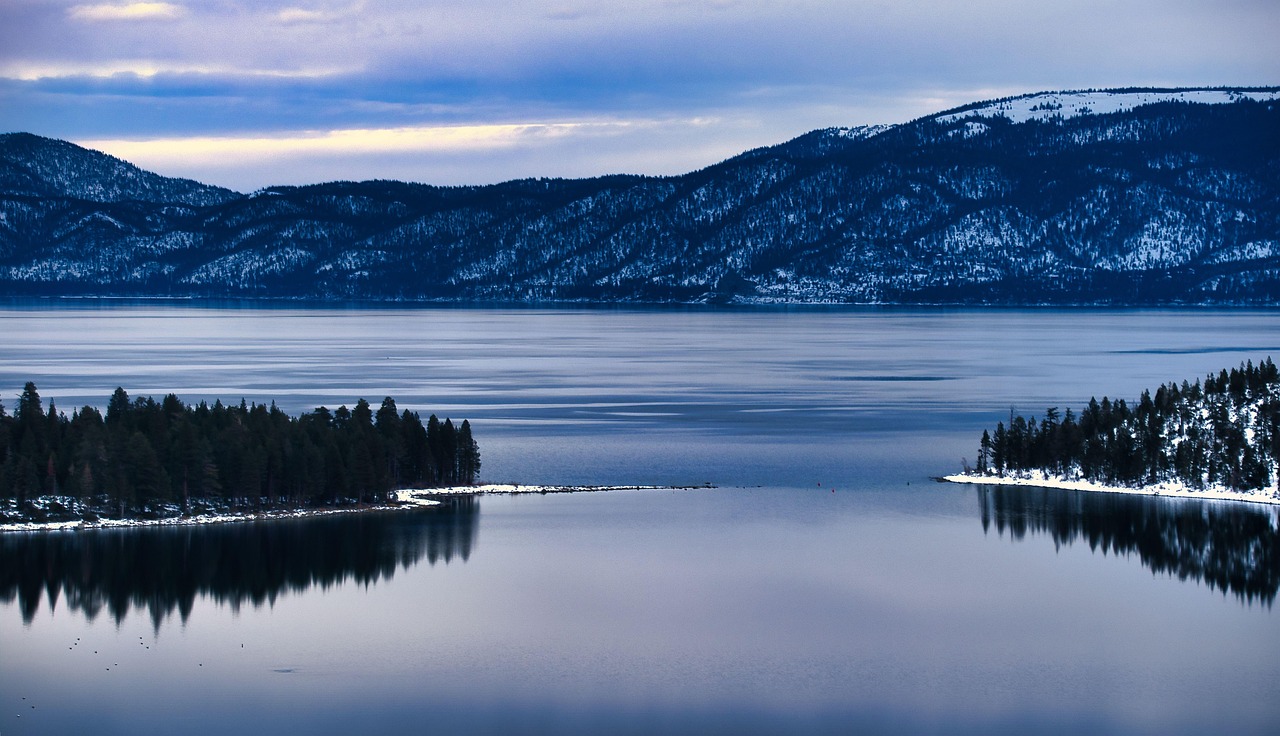
Tahoe is North America's densest great-skiing cluster — a dozen-plus resorts ring one lake — and the trip hinges on matching mountain to skier, pass math included. The honest tour:
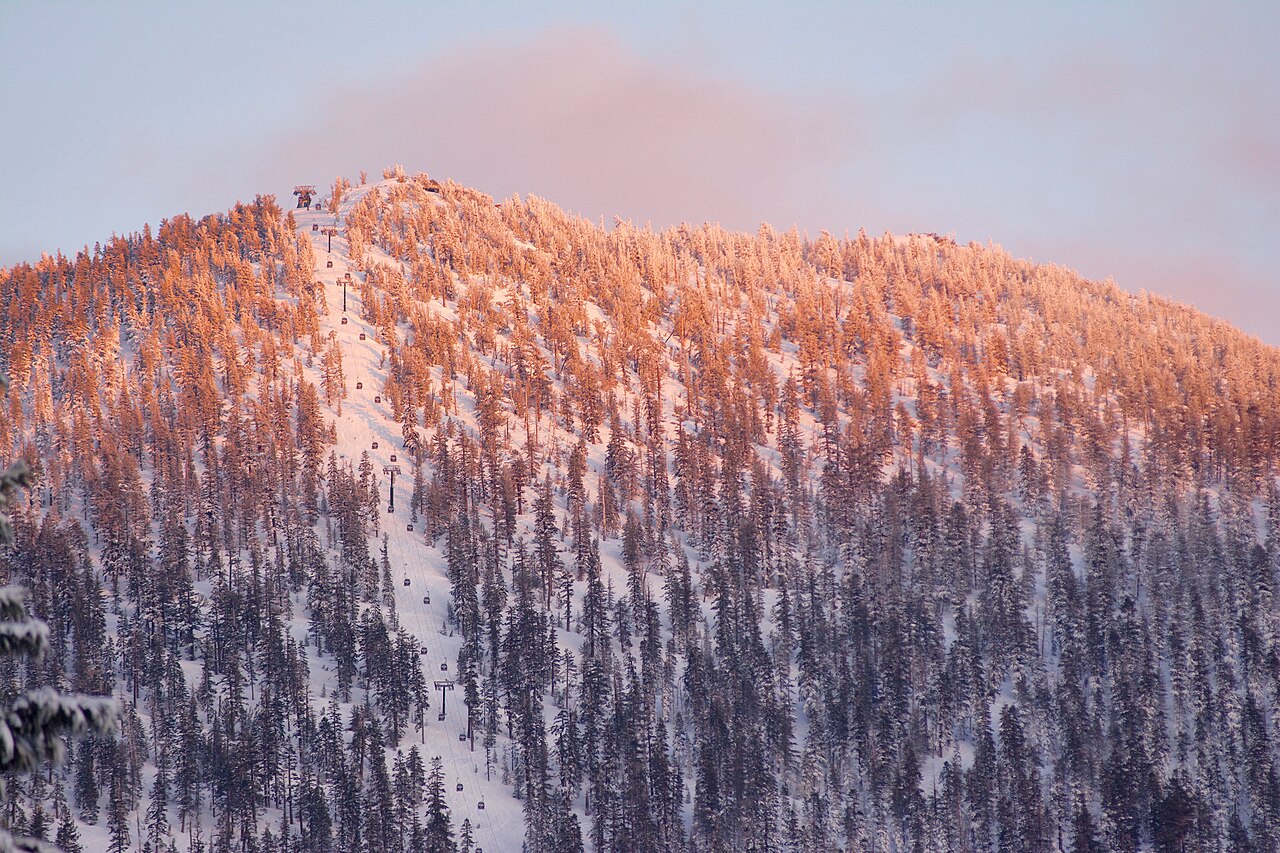
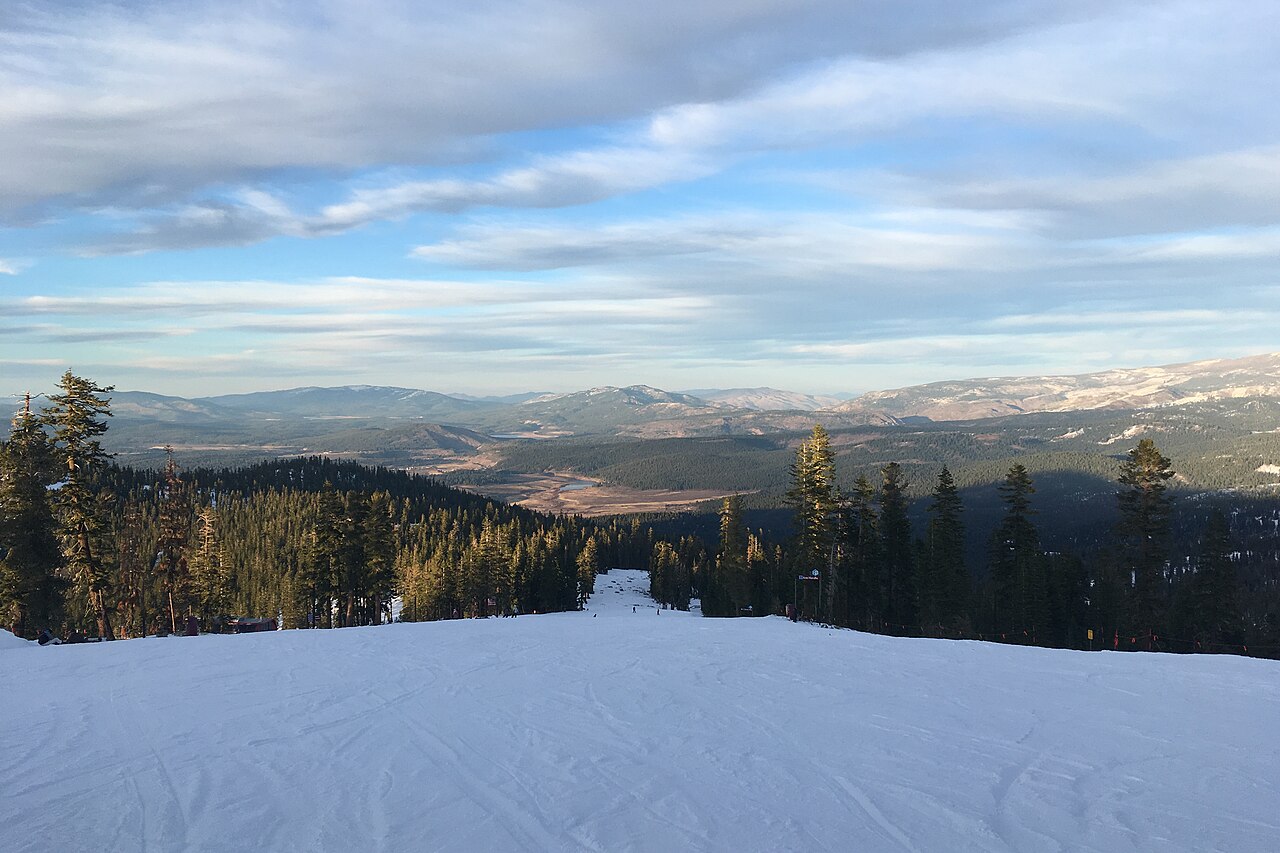
The big three. Heavenly (South Shore, Epic Pass) is the view: 4,800 two-state acres, Tahoe's longest vertical, and lake-facing groomers that justify the name — strongest for confident intermediates who want scale and scenery, with Stateline's casino apres below. Palisades Tahoe (North, Ikon) is the skier's mountain: the 1960 Olympic valley, KT-22's legend, 6,000 acres across two linked valleys, the steepest marquee terrain and the longest spring season — strongest for advanced skiers and anyone who wants the sport's mythology underfoot. Northstar (North, Epic) is the smooth one: 3,170 sheltered acres groomed to silk, a true walkable village with the rink and the Ritz, the family and intermediate paradise that stays open when wind closes the giants. There's no wrong answer — there's a wrong match.
The supporting cast earns respect. Kirkwood (Epic, 45 minutes south) gets Tahoe's best snow and gnarliest inbounds terrain with none of the scene — powder-day cognoscenti drive there. Mt. Rose (independent) has the highest base (8,260 feet — best early/late snow preservation) 25 minutes from Incline. Diamond Peak (Incline's community hill) hides the lake's best-kept view runs at half-price; Sugar Bowl (Donner Summit) is the storm-magnet classic; Homewood (West Shore) skis straight at the water. A mixed week — two big-mountain days, one Kirkwood or Rose day — beats five at one ticket window.
Pass math. Epic covers Heavenly, Northstar, and Kirkwood; Ikon covers Palisades and (limited days) others. Multi-day trips at the big three price out such that a pass — even the mid-tier versions — beats window tickets fast; decide passes in the fall, not at the resort. Always buy specific dates online ahead regardless: Tahoe walk-up pricing is designed as a penalty. Watch each resort's parking-reservation rules on peak dates — the new normal at Palisades and spreading.
Storm strategy. Tahoe storms are feast-logistics: the lake's resorts measure in feet, I-80 and US-50 go chain-control or close, and wind shuts the exposed upper mountains. The playbook: on storm days ski the trees and sheltered mountains (Northstar, Rose's chutes excepted); the bluebird day after is the powder prize — be at first chair; and never schedule the drive home for a storm day (SR-431, I-80, and 50 all close without apology — build the buffer night in). Chains or AWD with snow tires are legally required kit when controls hit: know R1/R2 rules before the trip, not at the checkpoint.
Season truth. Lifts spin roughly mid-November to mid-April, with the heart December-March. Early season rides on snowmaking (Northstar and Heavenly's strength); January is coldest and most reliable; March is the sleeper — huge base, warm bluebirds, spring pricing; and Palisades' spring skiing famously stretches toward (some years past) Memorial Day. Holiday weeks are gorgeous chaos: book everything months out and embrace the 8:15am chair discipline.
Non-skiers eat well here too: the Heavenly gondola and Palisades tram run for sightseers, Northstar's rink and village carry afternoons, snowshoe trails leave from Tallac and Donner, the casinos never close, and the spa-and-fireplace hour is a Tahoe winter sport of its own.